
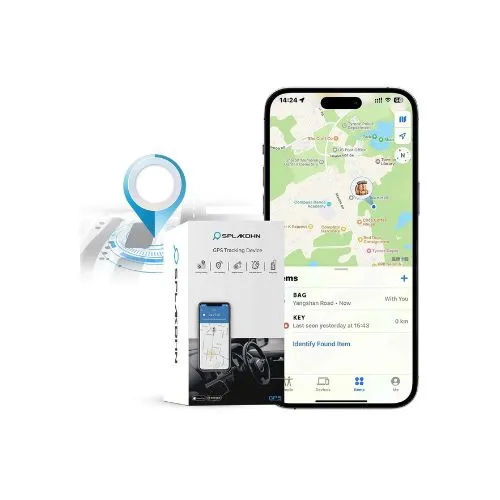
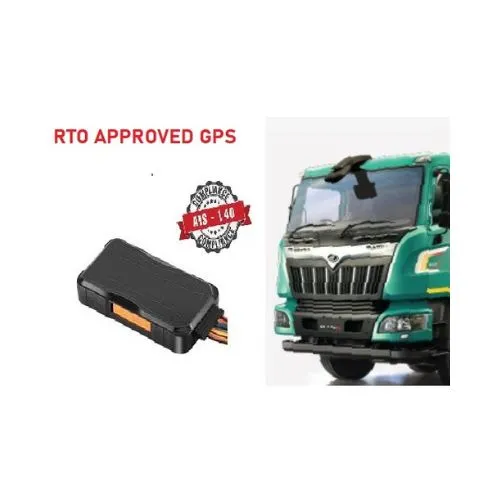
In today’s fast-paced governance landscape, managing large fleets of official vehicles efficiently is critical for public service delivery. From state transport buses and police patrol vehicles to emergency ambulances, municipal service vans, and departmental cars, government and institutional fleets require maximum uptime and total visibility. Splakdhn Government-Grade Fleet Telematics Solutions On-Demand we also provides high-security, AES-256 encrypted vehicle tracking systems engineered for public infrastructure management, state transport corporations (STUs), and public sector undertakings (PSUs) across India. Fully compliant with AIS 140 regulatory mandates, our platform syncs location telemetry directly to state Vahan portals and Smart City Command Centres using secure, low-latency RESTful APIs. Deploy ruggedized, IP67 water and dustproof tracking units featuring integrated physical SOS panic buttons to protect public assets, eliminate municipal fuel leakage, and optimize emergency response dispatching.
SPLAKDHN GPS provides government-grade, highly secure vehicle tracking systems for government departments, public sector undertakings (PSUs), educational institutions, and large-scale public organizations across India. Our enterprise fleet telematics platform delivers the exact transparency, regulatory compliance, and data security required for public infrastructure management.
Why Government & Institutional Fleets Require Advanced Telematics
Public sector vehicles operate round-the-clock, covering vast, unpredictable terrains across Indian states. Managing these high-value assets without centralized visibility leads to route deviations, inflated fuel vouchers, and delayed emergency response times.
Implementing a rugged institutional fleet management platform directly addresses these operational vulnerabilities. Splakdhn GPS bridges the gap between field operations and central command rooms, lowering taxpayers’ operational overheads while strengthening public accountability.
Core Governance Challenges Solved by Splakdhn GPS:
- Strict regulatory compliance: Fully supports government mandates, providing seamless connectivity to central monitoring systems and state Vahan portals.
- Public resource accountability: Eliminates unauthorized usage of departmental cars and municipal machinery outside official duty hours.
- Real-time emergency dispatch optimization: Pinpoints the exact location of emergency response units to dispatch the closest vehicle instantly.
- Leakage and fuel theft prevention: Protects government budgets from fuel siphoning and falsified kilometer logs across massive departmental operations.
- Transparent data audit trails: Generates tamper-proof digital duty logs, simplified distance-traveled metrics, and asset utilization charts required for official audits.
Advanced Enterprise Features Engineered for Public Infrastructure
1. Unified Pan-India Command Center Tracking
Monitor thousands of distributed state transport vehicles, civic assets, and executive cars from a single administrative dashboard. Splakdhn utilizes secure, high-gain cellular hardware that maintains uninterrupted data streaming across remote rural pockets, dense urban centers, and mountain corridors.
2. Fleet Fuel Management and Idling Analytics
Fuel siphoning and unapproved engine idling actively drain public funds. Splakdhn integrates digital fuel level sensors for heavy municipal vehicles and trucks. The platform generates predictive fuel-consumption logs, instantly alerting transport officers via automated system warnings the moment an anomalous drop in fuel levels is detected.
3. Smart Geofencing and Route Enforcement
Establish strict geographic operational boundaries for departmental vehicles, municipal dump yards, and emergency response zones. If a civic utility vehicle deviates from its assigned sanitation route, or if an official car exits its designated district lines without authorization, the system flags the security breach immediately.
4. Certified Panic Button and Emergency SOS Response
In compliance with public safety protocols, our trackers feature hardwired physical SOS buttons. Drivers or conductors can trigger these to send immediate, low-latency alerts to police control rooms and administrative dashboards. This is an essential safety feature for women’s safety transit initiatives, cash vans, and law enforcement teams.
Specialized Deployment Modules Across Government Segments
Our scalable tracking software architecture features dedicated sub-modules tailored to specific public sector frameworks:
- Police and Law Enforcement: Live tracking for PCR vans, interceptors, and tactical command vehicles to optimize rapid mobilization during law-and-order situations.
- Ambulances and Emergency Medical Services (EMS): Decreases crucial response times through live traffic routing, precise Expected Time of Arrival (ETA) calculation, and automated hospital alert triggers.
- Municipalities and Urban Civic Services: Complete monitoring infrastructure for garbage compactors, sewage vacuum trucks, road sweepers, and water tankers to ensure efficient civic governance.
- State Transport Corporations (STUs): Streamlines public bus networks, updates electronic passenger display systems with live arrival times, and controls trip punctuality.
- Departmental Executive Fleets: Provides complete cross-departmental oversight for revenue, forest protection, and public works patrol teams.
Technical Specifications: Government-Grade Architecture
Splakdhn builds hardware to pass rigorous industrial durability standards and clear complex institutional evaluation processes.
| Telematics Metric | Technical Specification | Institutional Advantage |
|---|---|---|
| Data Encryption | AES-256 Bit End-to-End | Protects sensitive location data of law enforcement and government dignitaries from cyber threats. |
| Ingress Protection | IP67 Water & Dust Proof | Ensures survival in open-cast mining sites, severe monsoons, and high-pressure chemical washes. |
| Regulatory Passes | ARAI / ICAT Certified Options | Fully compliant with government fitness tests, RTO clearances, and Vahan network syncing. |
| API Support | Low-latency RESTful APIs / Webhooks | Streams live location coordinates directly into existing Smart City Command Centers or NIC software portals. |
Expected Operational ROI for Public Sector Transport
Deploying Splakdhn’s smart fleet ecosystem transforms a compliance mandate into an active source of operational savings, frequently self-funding its capital deployment within the first two quarters.
Actionable Financial Benefits:
- Reduced Taxpayer Expenditure: Eliminating unapproved vehicle use and optimizing public routes saves millions of liters of fuel annually across large-scale state deployments.
- Extended Asset Lifespans: Automated engine-hour and kilometer-based service notifications ensure costly state-owned machinery undergoes preventative maintenance on time, preventing premature asset scrap page.
- Data-driven Resource Planning: Unbiased utilization data allows departments to relocate idle assets from under-utilized sectors to high-demand districts, optimizing government inventory.
Q: Is the Splakdhn tracking system fully compliant with AIS140 government mandates?
A: Yes, Splakdhn provides certified telematics options that comply with the strict regulatory requirements of national transport ministries, featuring physical SOS emergency alert protocols and secure data relays to central RTO servers.Q: Can the platform integrate with custom Smart City Command Center software?
A: Absolutely. Our secure infrastructure provides low-latency RESTful JSON APIs and Webhooks to stream real-time coordinate feeds, fuel levels, and geofence logs directly into municipal software portals or National Informatics Centre (NIC) frameworks.