
Fuel is one of the largest operational expenses for transport companies, fleet owners, logistics operators, and commercial vehicle businesses. Rising fuel prices, fuel theft, inefficient driving habits, and lack of monitoring often result in significant financial losses every month. This is where a Fuel Monitoring GPS System becomes an essential technology for modern fleet management.
A fuel monitoring GPS tracking system combines real-time vehicle tracking with intelligent fuel analytics, helping businesses monitor fuel consumption, detect fuel theft, optimize routes, and improve overall fleet efficiency.
At SPLAKDHN GPS – Advanced GPS Tracking Solutions, fuel monitoring technology is designed specifically for trucks, buses, tankers, commercial fleets, and logistics vehicles operating across India.
Who Should Read This Guide?
This industrial fleet telematics guide is custom-tailored for transport operators, logistics business owners, and corporate fleet managers looking to eliminate fuel pilferage, verify billing slips, and optimize route operational costs.
It is especially useful for:
- 🚚 Long-Haul Logistics & Truck Owners – Detect sudden midnight fuel drops and track precise kilometer-per-liter performance across national highways.
- 🚌 Bus Operators & School Fleet Managers – Prevent driver misuse, monitor route deviation parameters, and cross-verify fuel billing slips accurately.
- 🏗️ Construction & Mining Fleet Managers – Track active engine running hours and fuel consumption data for heavy equipment like JCBs and tippers.
- 🛢️ Oil, Chemical & Tanker Fleet Operators – Maintain absolute fuel asset transparency, secure dangerous cargo loops, and prevent delivery transit theft.
What is a Fuel Monitoring GPS System?
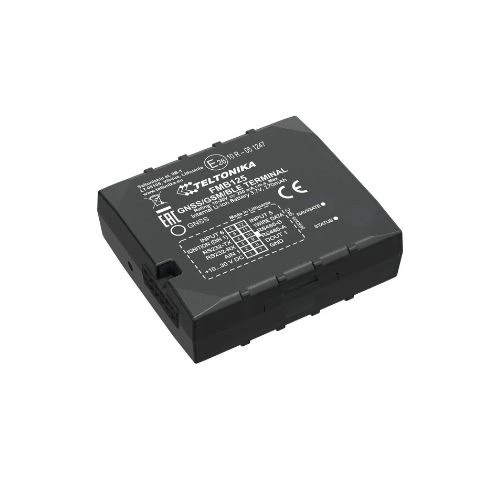
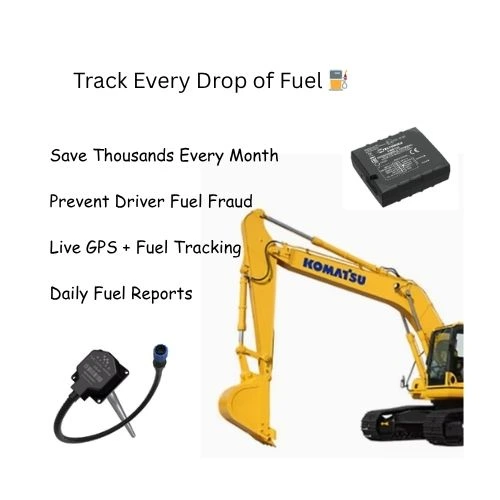
A fuel monitoring GPS system is an advanced telematics solution that integrates a GPS tracking device with fuel sensors and cloud-based tracking software. It allows fleet owners to monitor fuel levels and vehicle movement in real time from a mobile app or web dashboard.
The system continuously tracks:
- Vehicle location
- Fuel level changes
- Fuel filling events
- Fuel draining or theft attempts
- Mileage and fuel efficiency
- Engine running hours
- Route and idle time analysis
Instead of relying on manual fuel records or driver reports, businesses get accurate digital fuel data directly from the vehicle.
Why Fuel Monitoring is Critical for Commercial Vehicles
Commercial vehicles operate for long hours and travel long distances daily. Even small fuel inefficiencies can lead to major financial losses over time.
Common problems faced by fleet owners include:
- Unauthorized fuel removal
- False fuel billing
- Excessive idling
- Route deviations
- Poor driving behavior
- Lack of fuel consumption transparency
A fuel monitoring GPS system eliminates guesswork by providing real-time visibility and automated fuel reports.
For fleet operators managing multiple trucks or buses, fuel monitoring can reduce operating costs significantly while improving accountability.
How Fuel Monitoring GPS Technology Works
A complete fuel monitoring system consists of three main components:
1. GPS Tracking Device
Installed inside the vehicle, the GPS tracker captures real-time location, speed, ignition status, and movement data.
2. Fuel Level Sensor
Fuel sensors are installed inside the fuel tank to measure fuel level accurately. These sensors detect even minor changes in fuel quantity.
Types of sensors commonly used include:
- Capacitive fuel sensors
- Ultrasonic fuel sensors
- OEM CAN-based fuel data integration
3. Cloud Tracking Software
All vehicle and fuel data are transmitted to a secure cloud platform where fleet managers can monitor vehicles through dashboards, mobile apps, and automated reports.
The system generates alerts instantly whenever abnormal fuel activity occurs.
Key Features of Fuel Monitoring GPS Systems
Real-Time Fuel Level Tracking
Monitor live fuel levels of trucks, buses, and fleet vehicles anytime from anywhere.
Fuel Theft Detection
Instant alerts are generated when sudden fuel drops are detected while the vehicle is stationary or parked.
Fuel Filling Verification
The system records fuel refill events with exact time, location, and quantity, preventing billing fraud.
Mileage & Fuel Efficiency Reports
Fleet owners can analyze kilometers per liter performance and identify inefficient vehicles.
Idle Time Monitoring
Excessive engine idling consumes unnecessary fuel. GPS systems identify idle duration and help reduce wastage.
Route Optimization
Tracking routes ensures vehicles follow planned paths, reducing extra distance and fuel usage.
Driver Behavior Analysis
Harsh acceleration, overspeeding, and aggressive driving increase fuel consumption. Smart analytics help improve driving habits.
Benefits for Trucks, Buses & Commercial Fleet Vehicles
Reduced Fuel Costs
Fuel monitoring systems typically help fleets reduce fuel expenses by improving monitoring and accountability.
Prevention of Fuel Theft
Automated alerts immediately notify fleet managers about suspicious fuel activity.
Improved Operational Efficiency
Real-time insights allow faster decision-making and better vehicle utilization.
Accurate Reporting
Digital reports replace manual logbooks and eliminate human error.
Increased Fleet Transparency
Business owners gain full visibility into fleet operations without depending solely on driver communication.
Industries Using Fuel Monitoring GPS Systems
Fuel monitoring solutions are widely adopted across multiple industries:
Logistics & Transport Companies
Monitor long-haul trucks and optimize fuel consumption across routes.
Bus Operators & School Transport
Track fuel usage and prevent misuse in daily operations.
Construction & Mining Vehicles
Heavy machinery and equipment benefit from fuel monitoring due to high consumption levels.
Oil & Tanker Fleets
Ensure fuel accountability during transport and delivery.
Corporate Fleet Vehicles
Manage operational vehicles efficiently while controlling fuel expenses.
Advanced Technologies in Modern Fuel Monitoring Systems
Modern fuel monitoring GPS devices are powered by next-generation technologies:
IoT-Based Telematics
Internet of Things connectivity allows real-time data communication between vehicles and management systems.
AI-Based Analytics
Artificial intelligence analyzes historical fuel data to identify patterns, inefficiencies, and cost-saving opportunities.
Cloud-Based Fleet Management
Managers can monitor fleets remotely from mobile phones or desktops anywhere in the world.
CAN Bus Integration
Advanced vehicles allow direct reading of engine and fuel data through onboard vehicle systems for higher accuracy.
Challenges Without Fuel Monitoring Systems
Businesses operating fleets without fuel monitoring often face:
- Untracked fuel expenses
- Driver misuse
- Manual record inaccuracies
- Difficulty identifying inefficient vehicles
- Lack of operational control
As fleet sizes grow, these issues multiply and directly impact profitability.
Future of Fuel Monitoring GPS Technology
The future of fuel monitoring systems is moving toward smarter automation and deeper analytics.
Upcoming innovations include:
- AI-powered fuel consumption prediction
- Integration with electric and hybrid fleet monitoring
- Automated maintenance alerts based on fuel patterns
- Smart city fleet integration
- Advanced analytics dashboards for enterprise fleets
Fuel monitoring will become a standard feature in commercial fleet management worldwide.
Fuel Monitoring Solutions by SPLAKDHN GPS
SPLAKDHN GPS – Advanced GPS Tracking Solutions provides reliable fuel monitoring GPS systems tailored for Indian road conditions and commercial fleet requirements.
Our solutions support:
- Trucks and logistics fleets
- School and staff buses
- Commercial transport vehicles
- Tankers and heavy equipment
- Corporate fleet operations
With real-time tracking, accurate fuel analytics, and intelligent alerts, SPLAKDHN GPS helps businesses reduce fuel costs, prevent losses, and improve fleet productivity.
Whether managing a few vehicles or a large commercial fleet, fuel monitoring GPS technology provides the visibility and control required for modern transportation operations.
Fuel monitoring is no longer an optional upgrade — it is a critical investment for any business aiming to improve efficiency, reduce expenses, and build a smarter fleet management system in today’s competitive transport industry.

Managing fleet operations shouldn’t depend on manual logbooks or unverified fuel bills. The SPLAKDHN Fuel Monitoring GPS Tracking System integrates advanced, industrial-grade fuel level sensors with a cloud-based telematics dashboard to put you in complete command of your transport margins. From generating real-time alarms for stationary fuel draining to providing automated fuel filling reports with exact time and location data, our system strips away the guesswork and builds absolute transparency across your logistics network.
Don’t let rising fuel costs and untracked pilferage bleed your company’s profitability. Backed by our certified TRAI registration, official MSME credentials, and a trusted PAN-India technician deployment ecosystem, SPLAKDHN GPS delivers the exact hardware accuracy and compliance telematics you need to maximize fleet asset efficiency. Contact SPLAKDHN GPS today to request a custom corporate bulk quote, unlock automated driving behavior analytics, and protect your commercial fuel investments 24/7.