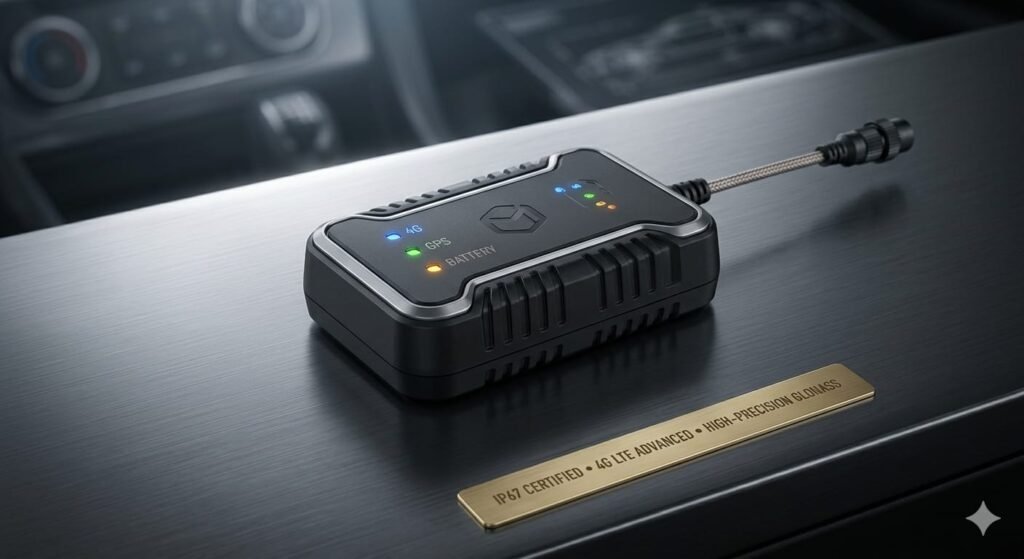
Finding an unfamiliar device attached to your vehicle can be unsettling. At first glance, a small black box under the dashboard, near the battery, or underneath the vehicle may look like a GPS tracking device. But an unknown device is not automatically an unauthorized tracker.
Modern vehicles can contain legitimate telematics equipment installed by manufacturers, dealerships, fleet operators, insurance providers, financing companies, rental businesses, security companies, or previous owners. A GPS tracker may also have been installed years ago and simply forgotten.
At the same time, unauthorized vehicle tracking is a genuine privacy and security concern. A GPS tracker can potentially provide information about where a vehicle travels, when it moves, and where it regularly stops. Location information can be highly sensitive, which is why consumers should take unexplained tracking seriously. The U.S. Federal Trade Commission has specifically recognized precise vehicle geolocation as sensitive information and has taken action concerning the collection and use of connected-vehicle data.
The important point is not to panic or immediately pull the device out.
Instead, identify what you have found, determine whether it has a legitimate purpose, document the discovery, and then choose the safest next step.
This guide explains how GPS trackers work common Myths, how to identify a GPS tracking device, how to detect an unauthorized tracker, the difference between OBD, wired and battery-powered trackers, what happens when a GPS tracker is disconnected, GPS tracker troubleshooting, GPS tracker installation, fleet tracking, vehicle security, anti-theft tracking, and how vehicle owners can install their own authorized GPS tracker.
Why Someone Might Discover an Unknown Tracker
There are several completely legitimate reasons why a vehicle may have a GPS tracking device that the current owner does not immediately recognize.
For example, a vehicle purchased second-hand may have an old fleet-tracking unit still installed. A dealership may have installed a telematics device during a previous ownership period. A finance or leasing arrangement may have included tracking equipment. A business vehicle may have been monitored as part of a fleet tracking system.
Some vehicles also have factory-installed connected-car technology that does not resemble the aftermarket GPS tracker most people imagine.
An unfamiliar device can therefore fall into several categories:
- A factory or manufacturer-installed telematics system
- A dealership-installed tracking or telematics device
- A fleet tracking device
- An insurance-related telematics device
- A finance or leasing company’s authorized tracker
- An aftermarket anti-theft tracking device
- An old or inactive GPS tracker
- A battery-powered personal tracking device
- An electrical accessory that is not a tracker at all
- An unauthorized tracking device
That last possibility deserves attention, but it should not be assumed without evidence.
A small electronic box by itself does not prove who installed it, why it was installed, or whether it is currently transmitting location data.
1. Where Legitimate GPS Trackers Are Commonly Installed
A GPS tracking device needs access to power, GPS signals, and some method of transmitting information. Depending on the design, it may therefore be installed in different areas of a vehicle.
Common locations include the area around the OBD-II port, behind or underneath the dashboard, near vehicle wiring, inside a protected engine-compartment area, or in another concealed location where the device can operate without interfering with normal vehicle functions.
Battery-powered units have more flexibility because they do not need a permanent connection to the vehicle’s electrical system.
OBD GPS trackers
An OBD tracker plugs directly into the vehicle’s OBD-II diagnostic port. This port is commonly located underneath the dashboard near the driver’s seating area.
OBD tracking devices are popular because installation is relatively simple. The device receives power from the vehicle and, depending on the model, may also read selected vehicle information.
Because the device is plugged into a standardized diagnostic connector, it can often be easier to recognize than a professionally installed wired tracker.
However, not every device connected to an OBD port is a GPS tracker. Diagnostic equipment, vehicle accessories, insurance telematics devices, and other equipment can use the same port.
Wired GPS trackers
A hardwired GPS tracker is connected to the vehicle’s electrical system.
Professional installations may place the tracker behind interior trim, underneath a dashboard, or in another protected area. The wiring may be integrated into the vehicle rather than leaving a visible plug.
This makes wired trackers useful for long-term applications such as fleet tracking, commercial vehicles, rental vehicles, and anti-theft tracking.
It also means that finding an unfamiliar wired device can be more difficult for someone without automotive electrical experience.
Battery-powered GPS trackers
Battery-powered GPS trackers do not necessarily require a connection to the vehicle’s electrical system.
They can be relatively small and may be placed in or around a vehicle. Their operating life depends on factors such as battery capacity, reporting frequency, GPS usage, cellular connectivity, temperature, and device design.
Some battery-powered devices sleep for long periods and wake periodically, while others transmit more frequently.
This is one reason that simply looking for a device with a permanently illuminated light is not a reliable way to determine whether something is a GPS tracker.
2. How GPS Tracking Devices Work
Understanding how GPS trackers work makes an unfamiliar device much easier to evaluate.
A typical vehicle GPS tracker performs several basic functions.
First, the device determines its approximate position using satellite-based positioning technology. Depending on the equipment, this may involve GPS and other satellite navigation systems.
Second, the tracker processes the location information.
Third, a connected tracker may transmit information through a cellular or other communications network to a tracking platform.
The owner or authorized account holder can then view information through an app, website, dashboard, or fleet management system.
Depending on the device and service, the system may record information such as:
- Vehicle location
- Movement history
- Time and date
- Speed or driving events
- Ignition status
- Battery or power status
- Geofencing events
- Mileage or odometer-related information
- Selected diagnostic information
The exact capabilities vary significantly between products.
A tracker that only provides periodic location updates is very different from a sophisticated fleet telematics system that combines GPS location with vehicle diagnostics and driver-behavior information.
This distinction matters when investigating an unknown device. You are trying to identify the device and service, not merely prove that the box contains electronics.
3. How to Identify a GPS Tracking Device
If you discover an unfamiliar device, start with observation rather than removal.
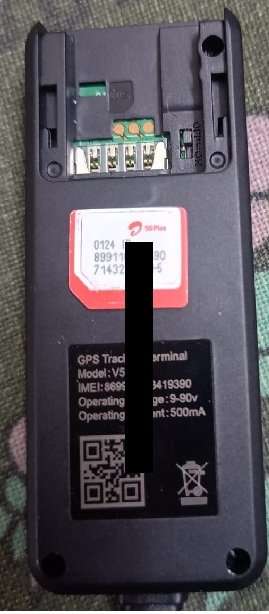
Look for identifying information
Check the exterior for:
- Manufacturer name
- Model number
- Serial number
- IMEI or communications identifier
- FCC or other regulatory markings where applicable
- QR code
- Barcode
- Product label
- Company logo
- Installation sticker
- Telephone number or website
Do not assume every number on the device is a tracking identifier. Some numbers may simply identify a component or production batch.
If you can photograph the label safely, keep a clear record of it.
Examine how the device receives power
Power can provide an important clue.
A device plugged into an OBD port is likely to be an OBD-type accessory.
A device connected to vehicle wiring is more likely to be a hardwired installation.
A device with its own battery may be a battery-powered tracker or another wireless accessory.
The physical design alone, however, cannot always identify the device with certainty.
Look for antennas
Some GPS trackers have visible or internal antennas. A cellular-connected tracker may also have communications hardware.
But the absence of an obvious antenna does not prove that a device is not a tracker. Many modern devices use compact internal antennas.
Check your vehicle records
Before concluding that a device is unauthorized, check:
- Purchase paperwork
- Previous service invoices
- Dealership records
- Fleet records
- Leasing documents
- Finance agreements
- Insurance or telematics agreements
- Previous owner information
- Vehicle security-system documentation
If the vehicle was purchased used, ask the seller or dealer whether they know about aftermarket equipment.
This simple step can solve what initially appears to be a mysterious tracking problem.
4. How to Detect an Unauthorized Tracker
There is no single visual test that can reliably identify every unauthorized GPS tracker.
Detection is usually a process of combining physical inspection, documentation, device identification, and professional assistance when necessary.
Start by asking a basic question:
Does anyone have a legitimate reason to have tracking equipment installed on this vehicle?
If the answer is yes, verify it.
If the answer is no, document the device and consider having it professionally examined.
Warning signs worth investigating
An unfamiliar device deserves closer attention when:
- Nobody in the household or organization recognizes it.
- The seller did not disclose it.
- There is no documentation explaining its presence.
- The device appears recently installed.
- Wiring looks unusual or poorly integrated.
- A tracking-related company label is visible.
- Someone appears to know your vehicle’s movements without an obvious explanation.
- The vehicle has recently changed ownership or use.
- You have concerns about stalking, harassment, or unwanted monitoring.
None of these signs proves unauthorized tracking by itself.
They are reasons to investigate further.
Phone-based detection can help, but it is not definitive
Some modern smartphones can provide alerts concerning certain nearby Bluetooth tracking devices. These systems are useful for particular categories of consumer trackers, but they should not be treated as a universal GPS tracker detector.
A cellular GPS tracker may not behave like a Bluetooth item tracker.
Likewise, a vehicle’s factory telematics system may not be discoverable through a phone-based tracker-detection feature.
For this reason, how to detect an unauthorized tracker is not simply a matter of installing one app and scanning the vehicle.
For a more serious investigation, an automotive technician, vehicle security specialist, or qualified professional may be able to inspect the vehicle and identify unfamiliar equipment.
Video Guide: How to Find and Remove a GPS Tracker from Your Vehicle
Watch this practical guide to understand how to identify and safely remove an *unauthorized GPS tracking device from your own vehicle.
Disclaimer: This demonstration is performed on our own vehicle for educational purposes. Do not remove, disconnect, or interfere with tracking equipment installed by a vehicle owner, fleet operator, finance/leasing company, employer, or other authorized party without permission.
5. What to Do If You Find an Unauthorized Tracker
If you genuinely believe a tracker may be unauthorized, take a measured approach.
Step 1: Do not immediately destroy it
If the device could be relevant to a dispute, stalking situation, insurance matter, employment issue, or legal investigation, destroying it may remove useful evidence.
Photograph the device in place.
Record:
- Where you found it
- What it looked like
- Any labels or serial numbers
- How it was attached
- Visible wiring
- The date you discovered it
- Any circumstances that made you suspicious
If safe, keep the documentation somewhere the suspected person cannot access.
Step 2: Determine whether it belongs to a legitimate party
Contact the vehicle manufacturer, dealership, leasing company, finance company, fleet manager, or tracking provider where appropriate.
Give them the device’s identifying information rather than immediately removing it.
They may be able to tell you whether the equipment is associated with the vehicle.
Step 3: Consider professional inspection
If you cannot identify the equipment, a qualified automotive technician or vehicle security professional can inspect the installation.
Professional inspection can be especially useful when the tracker is hardwired into the vehicle.
Step 4: Consider personal safety
If you believe the tracker may be connected to stalking, domestic abuse, harassment, or another threatening situation, prioritize personal safety over immediately confronting whoever may have installed it.
The FTC gives similar safety-oriented guidance for suspected technology-enabled stalking: removing monitoring technology can sometimes alert the person doing the monitoring, so safety planning and evidence preservation can be important.
If you believe you are in immediate danger, contact the appropriate emergency or law-enforcement service in your location.
6. When to Contact the Installer or Tracking Company
If a device has a visible manufacturer, installer, company name, or serial number, contacting the company can be one of the fastest ways to establish its purpose.
A legitimate tracking company may be able to explain:
- What model the device is
- Who normally installs it
- Whether it is active
- What service it belongs to
- Whether it is connected to a customer account
- How it receives power
- Whether it can affect vehicle operation
- What the proper removal procedure is
However, be careful when contacting an unknown company.
You do not necessarily need to provide extensive personal information simply to ask what a device is.
Ask for identification and documentation first.
If the company claims the tracker is authorized, request evidence connecting it to the vehicle or the relevant account.
For fleet vehicles, the fleet manager should normally be able to explain why the device exists.
For financed or leased vehicles, the agreement and provider should clarify whether tracking was part of the arrangement.
For used vehicles, the previous owner or dealership may have the answer.
7. Why Simply Disconnecting a Tracker May Not Be Appropriate
It is understandable to think:
“I found a tracker, so I should just unplug it.”
That is not always the best approach.
First, the device may be legitimate.
Second, a hardwired tracker may be connected to vehicle electrical circuits. Disconnecting wires without knowing what they do can create electrical problems or damage components.
Third, the tracker could be part of a broader vehicle security or fleet management system.
Fourth, if the tracker is evidence of unauthorized monitoring, removing or altering it could make documentation more difficult.
And finally, some tracking systems are associated with contractual or security arrangements. Removing equipment without checking the relevant agreement may create an unnecessary dispute.
This does not mean an unauthorized tracker should remain on your vehicle indefinitely.
It means the safest approach is usually:
Identify first. Document second. Disconnect or remove third.
If there is a credible safety concern, professional assistance can help you decide how and when to remove the device.
8. What Happens When a GPS Tracker Is Disconnected?
One of the most common questions after finding a tracker is: What happens when a GPS tracker is disconnected?
The answer depends on the type of tracker.
OBD tracker
If an OBD tracker is unplugged, it will generally lose its vehicle power source.
Some models may contain a backup battery. Others may stop functioning immediately.
The tracking platform may show a power-loss, offline, or last-known-location event, depending on the system.
Hardwired tracker
A wired tracker may stop receiving power if its electrical connection is interrupted.
However, a backup battery may allow it to continue operating for some period.
Disconnecting a hardwired device can also create vehicle electrical issues if the wrong wires are disturbed.
Battery-powered tracker
Disconnecting the vehicle battery may have little or no effect on a separate battery-powered tracker.
The tracker may continue operating using its internal battery.
What the tracking platform may show
When a tracker stops communicating, the platform may show:
- Offline
- Device disconnected
- Power loss
- Last known location
- No recent data
- Low battery
- Communication failure
The exact behavior depends on the hardware and software.
An important point is that disconnecting a tracker does not necessarily erase previously collected location data.
If a service has already stored historical tracking information, unplugging the device does not automatically delete those records.
That is another reason to understand what system you are dealing with before taking action.
9. OBD vs. Wired vs. Battery-Powered GPS Trackers
Choosing the right tracker begins with understanding the installation method.
| Tracker type | Typical installation | Main advantage | Main consideration |
|---|---|---|---|
| OBD tracker | Plugs into OBD port | Easy installation | Visible and easy to unplug |
| Wired tracker | Connected to vehicle power | More discreet and suitable for permanent installation | Professional installation may be preferable |
| Battery-powered tracker | Uses internal battery | Flexible placement | Battery eventually needs charging/replacement |
For private vehicle owners, an OBD device can be convenient if simplicity is the priority.
For long-term vehicle security, a professionally installed wired GPS tracker may provide a cleaner installation.
Battery-powered devices can be useful when permanent vehicle wiring is undesirable, although battery management becomes part of GPS tracker troubleshooting and maintenance.
For businesses, the decision may depend on fleet size, vehicle type, reporting requirements, driver management, and integration with fleet software.
10. How Vehicle Owners Can Install Their Own Authorized GPS Tracker
If you own the vehicle and want tracking for legitimate purposes, installing your own authorized GPS tracker is generally much simpler than trying to identify an unknown one.
Start with the purpose.
Are you trying to improve:
- Vehicle security?
- Anti-theft tracking?
- Stolen vehicle recovery?
- Fleet tracking?
- Mileage visibility?
- Driver management?
- Maintenance monitoring?
The answer will determine what type of device makes sense.
Choose the installation method
For a basic personal vehicle, an OBD tracker can be an accessible option.
For permanent installation, consider a reputable wired tracker and qualified installer.
For temporary applications, a battery-powered model may be more appropriate.
Verify the service
A GPS tracker is more than a physical box.
The device normally works together with a tracking platform, mobile application, web dashboard, cellular service, or subscription.
Before purchasing, understand:
- Device cost
- Installation cost
- Subscription charges
- Cellular coverage
- Data retention
- Alert features
- Warranty
- Technical support
- Battery expectations
- Privacy policy
- Cancellation terms
Install it safely
If the device is OBD-based, installation is usually straightforward: connect it to the appropriate port and follow the manufacturer’s activation instructions.
For a hardwired tracker, installation should be performed according to the manufacturer’s instructions. If you are not experienced with automotive electrical systems, professional GPS tracker installation is usually the safer choice.
A tracker should never interfere with critical vehicle systems, airbags, steering, braking, or other safety equipment.
11. GPS Tracker Troubleshooting: Common Problems
Even an authorized tracker can stop working properly.
Before assuming the device has failed, check the basics.
The tracker is offline
Possible causes include:
- Poor cellular coverage
- Vehicle parked underground
- Device power loss
- Discharged backup battery
- SIM or service problem
- Account issue
- Hardware failure
- Software or firmware problem
Location appears inaccurate
GPS accuracy can vary depending on surroundings.
Buildings, underground parking, dense urban environments, weather conditions, antenna placement, and other factors can affect positioning.
A single inaccurate location does not automatically mean the tracker is defective.
The tracker stopped reporting
Check whether the vehicle is receiving power and whether the tracking subscription is active.
For an OBD device, make sure it is firmly connected.
For a wired unit, avoid opening vehicle wiring yourself unless you are qualified to do so.
For a battery-powered unit, check the battery condition according to the manufacturer’s instructions.
Alerts are not arriving
Check the tracking app’s notification settings, account permissions, cellular connection, and geofence configuration.
If everything appears correct, contact the tracking provider.
Good GPS tracker troubleshooting starts with the simplest possible explanation before moving toward hardware failure.
12. How to Protect Your Vehicle
A GPS tracker should be considered one part of a broader vehicle security strategy.
NHTSA recommends basic theft-prevention measures such as taking your keys with you, locking doors and windows, parking in well-lit locations where possible, and avoiding leaving valuables visible. NHTSA also identifies vehicle recovery systems as technologies that can help law enforcement locate stolen vehicles.
Consider combining several layers of protection:
Physical security
A visible steering-wheel lock or other physical anti-theft device can add another barrier.
Electronic security
Use the vehicle’s factory security features and consider professionally installed aftermarket security equipment where appropriate.
GPS tracking
A GPS tracker can provide location information that may assist with recovery if a vehicle is stolen.
Parking habits
Where and how a vehicle is parked can make a practical difference. Well-lit, secure parking is preferable when available.
Account security
A connected vehicle is also a digital account.
Use a strong, unique password for the tracking account and enable multi-factor authentication if offered.
This matters because unauthorized access to a tracking account can expose vehicle location information even when nobody has physically touched the vehicle.
13. GPS Tracking and Fleet Tracking
Businesses often have legitimate reasons to use fleet tracking.
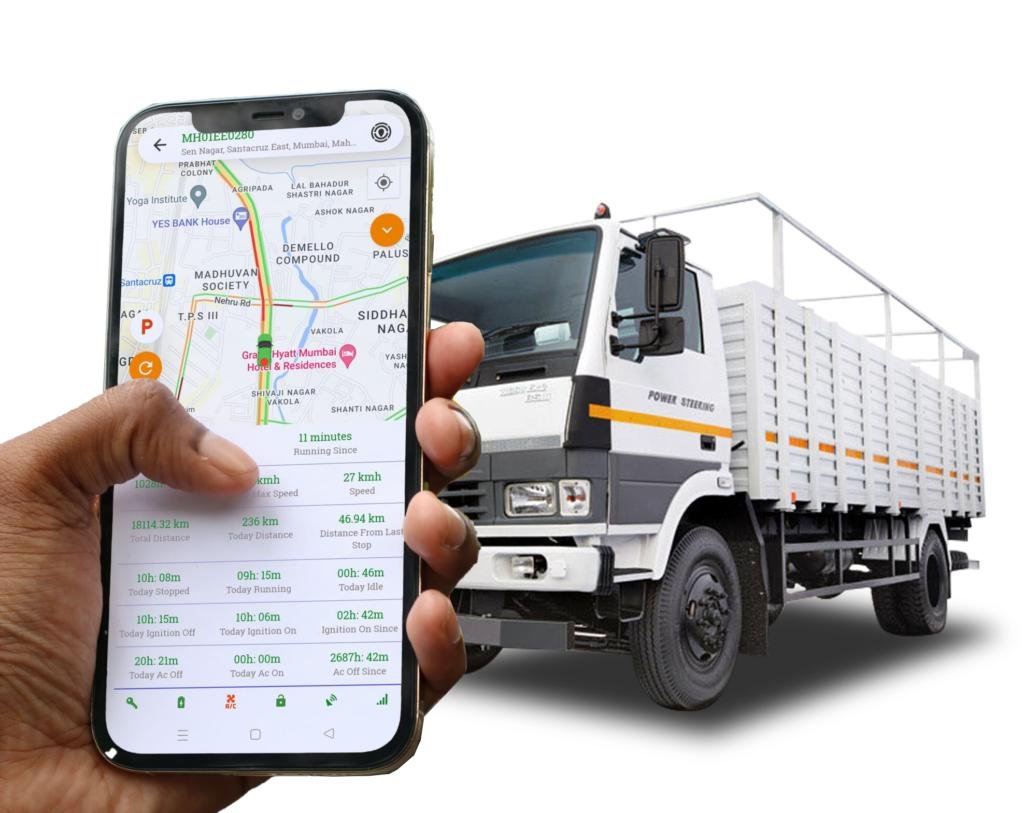
A fleet manager may need to know where company vehicles are located, coordinate deliveries, improve route planning, respond to breakdowns, or manage maintenance.
Modern fleet tracking can go beyond simple GPS coordinates.
Depending on the system, fleet operators may have access to:
- Vehicle locations
- Trip history
- Geofencing
- Mileage
- Maintenance information
- Vehicle diagnostics
- Driver-related events
- Idle time
- Route information
- Vehicle utilization
Because location data is sensitive, organizations should establish clear policies explaining what is collected, why it is collected, who can access it, and how long it is retained.
The technology can be useful without becoming unnecessarily intrusive.
14. Anti-Theft Tracking and Stolen Vehicle Recovery
The biggest reason many private owners purchase a GPS tracker is anti-theft tracking.
A tracker does not physically prevent every vehicle theft. Instead, its value is generally in helping provide location information after a vehicle has moved.
NHTSA describes vehicle recovery systems as technologies that can help law enforcement identify the location of stolen vehicles. If your vehicle is stolen, NHTSA recommends contacting police immediately and providing the vehicle information and stolen-vehicle report details to your insurer.
If your vehicle has an active GPS tracking service and is stolen:
- Contact law enforcement.
- Report the vehicle as stolen.
- Provide the vehicle identification information.
- Tell authorities that the vehicle has a GPS tracking device.
- Provide the tracking service’s relevant information.
- Follow law enforcement instructions.
- Contact your insurance provider as required.
Do not put yourself at risk by attempting to recover the vehicle personally.
A tracking system is most useful when it becomes part of an organized recovery process rather than an invitation to confront a suspected thief.
15. How to Prevent an Unknown Tracker From Becoming a Bigger Problem
Vehicle owners can reduce uncertainty by keeping records.
Whenever you purchase a vehicle, particularly a used vehicle, document:
- Existing aftermarket electronics
- Security systems
- Tracking equipment
- Dash cameras
- Telematics equipment
- OBD accessories
- Alarm systems
- Remote-start systems
Ask the seller or dealer what equipment is installed.
If you later discover an unfamiliar device, you have a baseline for comparison.
It is also useful to keep invoices for professional installations. A few years later, an installer receipt can answer the question, “What is this box under my dashboard?” much faster than a search engine can.
16. Privacy Matters With Authorized GPS Tracking Too
Authorized tracking is not automatically risk-free.
Once a GPS tracker is connected to your vehicle, location information may be stored in an online account.
That means vehicle owners should think about digital security as well as physical security.
Use reputable tracking services. Review account access. Change default passwords. Enable multi-factor authentication when available. Check who has access to the tracking dashboard.
The FTC has emphasized that precise geolocation can reveal sensitive information about consumers, including information associated with connected vehicles.
The same principle applies to personal GPS trackers: only people who genuinely need access should have access.
Need GPS Tracker Installation?
Contact STAR WAVE SYSTEMS – GPS Tracker & Dashcam for professional GPS tracker installation, live tracking solutions, dashcams and vehicle security systems in Kumaon.
Frequently Asked Questions About Unknown GPS Trackers
How can I tell if my car has a GPS tracker?
Look for unfamiliar equipment around the OBD port, under the dashboard, near vehicle wiring, or in other areas where aftermarket electronics may be installed. Check documentation and ask the dealership, previous owner, fleet manager, finance company, or installer. If the device cannot be identified, consider a professional vehicle inspection.
Can a GPS tracker be hidden in a car?
Yes. Some trackers are designed for discreet installation. Wired trackers can be installed behind interior panels, while battery-powered devices do not require a permanent electrical connection. However, discovering a hidden electronic device does not automatically prove that it is unauthorized.
What is the difference between an OBD tracker and a hardwired tracker?
An OBD tracker plugs into the vehicle’s diagnostic port and is generally easier to install. A hardwired tracker connects to the vehicle’s electrical system and can provide a more permanent installation. The appropriate option depends on the vehicle and intended use.
What happens when a GPS tracker is disconnected?
The device may stop transmitting, report a power-loss event, or continue operating temporarily if it has a backup battery. The tracking platform may retain the last known location and previously stored information.
Will disconnecting the car battery stop a GPS tracker?
Not necessarily. A hardwired tracker may lose vehicle power, but some devices have backup batteries. A separate battery-powered tracker can continue operating independently.
Should I remove an unknown GPS tracker?
Not automatically. First document it and try to establish whether it belongs to a legitimate service provider, previous owner, fleet operator, dealership, or finance company. If you believe it is unauthorized, professional advice may be appropriate.
Can a GPS tracker help recover a stolen car?
A GPS tracking system can provide location information that may assist recovery. However, vehicle owners should contact law enforcement rather than attempting to recover a stolen vehicle themselves. NHTSA recommends reporting a stolen vehicle to police immediately.
Can a GPS tracker prevent vehicle theft?
A tracker is primarily a recovery and monitoring tool, not a guaranteed theft-prevention device. For stronger vehicle security, combine tracking with physical and electronic anti-theft measures.
Can an unauthorized tracker track me even if the car is parked?
Potentially, depending on the device, its power source, communications connection, and configuration. Some trackers can continue transmitting while the vehicle is stationary.
Is every unknown device a GPS tracker?
No. Vehicles contain many electronic components and aftermarket accessories. Identification should be based on evidence rather than appearance alone.
Final Thoughts: Identify Before You Disconnect
Discovering an unknown tracker on a vehicle can raise immediate questions about privacy, security, and safety.
But the best response is usually not to panic and not to immediately rip the device out.
Start by identifying the equipment.
Find the manufacturer and model. Photograph the device. Check vehicle records. Ask the dealership, previous owner, fleet manager, finance company, or installer whether the equipment is authorized.
If the device cannot be explained and you have genuine concerns about unauthorized tracking, consider professional inspection and preserve useful evidence.
And if you own the vehicle and want the benefits of GPS tracking, choose an authorized device from a reputable provider and have it installed correctly.
A properly selected GPS tracker can be a valuable part of vehicle security, anti-theft tracking, stolen vehicle recovery, and fleet tracking. The goal is not simply to put a tracking device in a vehicle. The goal is to make sure you know what is installed, who controls it, what information it collects, and why it is there.
That distinction turns an unexplained electronic box into something much easier to understand and manage.
Key Takeaways
- An unfamiliar tracker is not automatically unauthorized.
- Legitimate GPS trackers may be installed by manufacturers, dealers, fleets, finance companies, insurers, or vehicle owners.
- OBD, wired, and battery-powered trackers have different installation and power characteristics.
- Physical inspection, documentation, and device identification are important when investigating an unknown tracker.
- Do not immediately disconnect an unfamiliar device if it could be legitimate or relevant evidence.
- Hardwired trackers should be handled carefully because incorrect disconnection can affect vehicle electrical systems.
- Disconnecting a tracker may stop future communication but does not necessarily erase previously collected tracking data.
- Authorized GPS tracking can support vehicle security and stolen vehicle recovery.
- Fleet tracking should be accompanied by clear policies around location data and access.
- If a tracker appears connected to stalking, harassment, or another safety concern, prioritize personal safety and consider professional or law-enforcement assistance.
- Vehicle owners can install their own authorized GPS tracker using an appropriate OBD, wired, or battery-powered solution.
- GPS tracking works best as one layer of a broader vehicle-security strategy.
Authoritative References – by STAR WAVE SYSTEMS
For vehicle theft prevention and stolen-vehicle recovery guidance, see the National Highway Traffic Safety Administration’s Vehicle Theft Prevention guidance.
For information about technology-enabled stalking and safety considerations when monitoring technology may be involved, see the Federal Trade Commission’s Stalkerware consumer guidance.
For information about connected-vehicle location data and consumer privacy, see the Federal Trade Commission’s guidance on cars and consumer data.