Is GPS tracking legal in India? Yes, in many normal situations, using a GPS tracker is legal in India. GPS tracking is widely used for cars, bikes, taxis, school and commercial fleets, logistics vehicles, assets and personal safety.
However, the legality of GPS tracking depends on how the tracker is being used, whose vehicle or device is being tracked, who can access the location data, and why the information is being collected.
A GPS tracker itself is not automatically illegal.
The problem can arise when GPS technology is used for unauthorized surveillance, invasion of privacy, misuse of personal data, or tracking someone without a proper legal or legitimate basis.
This guide explains the practical side of GPS tracking laws in India, including vehicle tracking, employee tracking, personal GPS trackers, AIS-140, privacy and data protection.
Important: This article is for general information and should not be treated as legal advice. Specific situations can depend on the facts, the type of vehicle, the relationship between the parties and applicable central or state rules. For a legal dispute or unusual tracking situation, consult a qualified lawyer.
Quick Answer: Is GPS Tracking Legal in India?
Yes, GPS tracking is generally legal in India when it is used for a legitimate purpose and the person or organization using the tracker has the appropriate authority or lawful basis to do so.
For example, GPS tracking is commonly used for:
- Tracking your own car
- Tracking your own bike
- Managing company vehicles
- Fleet management
- Taxi and commercial vehicle tracking
- Logistics and delivery vehicles
- Asset tracking
- School and institutional transport
- Vehicle security and theft recovery
- Employee fleet management
- Personal safety devices
- EV and fleet monitoring
The important question is not simply:
“Is GPS tracking legal?”
The better question is:
“Do I have the right or legitimate reason to track this vehicle or person, and am I handling the location data properly?”
That distinction is important.
Is It Legal to Put a GPS Tracker on Your Own Car?
Generally, yes.
If you own a car and want to install a GPS tracker for security, theft recovery, fleet management or another legitimate purpose, there is nothing inherently unlawful about using a GPS tracking device.
Many vehicle owners use GPS trackers to:
- Know where their vehicle is
- Receive ignition alerts
- Receive overspeed alerts
- Create geofences
- Monitor trips
- Find a vehicle if it is stolen
- Check vehicle history
- Manage multiple vehicles
For example, a business owner with five delivery vehicles can install GPS trackers on all five vehicles and use a tracking platform to monitor them.
This is one of the most straightforward uses of GPS technology.
Is GPS Tracking Legal for Company Vehicles?
Yes, companies commonly use GPS tracking for company-owned or company-operated vehicles.
For example, a logistics company may track:
- Trucks
- Delivery vans
- Taxi vehicles
- Sales vehicles
- Service vehicles
- School transport
- Construction vehicles
- Commercial fleets
The company may need location information to manage routes, improve safety, monitor fleet utilization, reduce unauthorized vehicle use and provide better customer service.
However, companies should not assume that owning the vehicle means they can use location information without considering privacy and data-protection responsibilities.
If GPS data can be linked to an identifiable employee or other individual, organizations should consider applicable data-protection requirements and clearly explain how tracking is being used.
Can an Employer Track an Employee Using GPS?
This is one of the questions we receive most often.
The answer is it depends on what exactly is being tracked and how the tracking is being done.
There is a major difference between:
Tracking a company vehicle during working hours
and
secretly tracking an employee’s personal movements 24 hours a day.
For example, suppose a company gives a delivery executive a company-owned vehicle.
Using GPS to monitor the vehicle’s location, route, stops and working activity can have a legitimate business purpose.
But if the same employee uses a personal vehicle and the employer secretly installs a tracker without proper authorization, the situation becomes much more sensitive.
Companies should therefore have a clear GPS tracking policy covering:
- Why tracking is required
- Which vehicles are tracked
- When tracking operates
- Who can access the data
- How long information is retained
- How employees are informed
- How the data is protected
A transparent policy is much safer than secret monitoring.
Is GPS Tracking Someone Without Their Knowledge Legal?
This is where people need to be careful.
Installing a GPS tracker on someone else’s vehicle or property without their knowledge or authorization can create serious legal and privacy issues.
For example, secretly placing a wireless tracker inside:
- Someone else’s car
- A spouse’s vehicle
- A friend’s vehicle
- An employee’s personal vehicle
- Someone’s bag or belongings
is very different from tracking your own vehicle.
There may be circumstances where law-enforcement agencies or other authorized bodies can conduct tracking or monitoring under applicable legal powers and procedures. That does not mean an ordinary person has the same authority.
Therefore, “I bought the GPS tracker” does not automatically mean “I have the right to track anyone I want.”
The authority to use the device and the purpose of tracking matter.
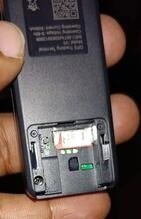
A short video example of how a discreet wireless GPS tracker can be misused to secretly monitor someone tracking or voice. This should not be done, as unauthorized tracking may be illegal.
Can a Husband or Wife Legally Track Their Spouse?
This is a particularly sensitive situation.
Simply being married to someone does not automatically give a person unlimited authority to secretly monitor their spouse’s movements.
Installing a hidden GPS tracker on a spouse’s vehicle without proper authorization can raise privacy and other legal issues depending on the circumstances.
If tracking is required for a legitimate legal reason, such as an ongoing dispute or court matter, it is better to obtain proper legal advice rather than assuming that a GPS device can be used freely.
A GPS tracker should not be marketed or promoted as a tool for secretly spying on a partner.
Is GPS Tracking Legal for Fleet Management?
Yes.
Fleet management is one of the most established legitimate uses of GPS tracking.
Businesses use GPS to monitor: Popular GPS Trackers
- Vehicle location
- Routes
- Driving patterns
- Idle time
- Overspeeding
- Geofencing
- Trip history
- Vehicle utilization
- Fuel-related information
- Maintenance requirements
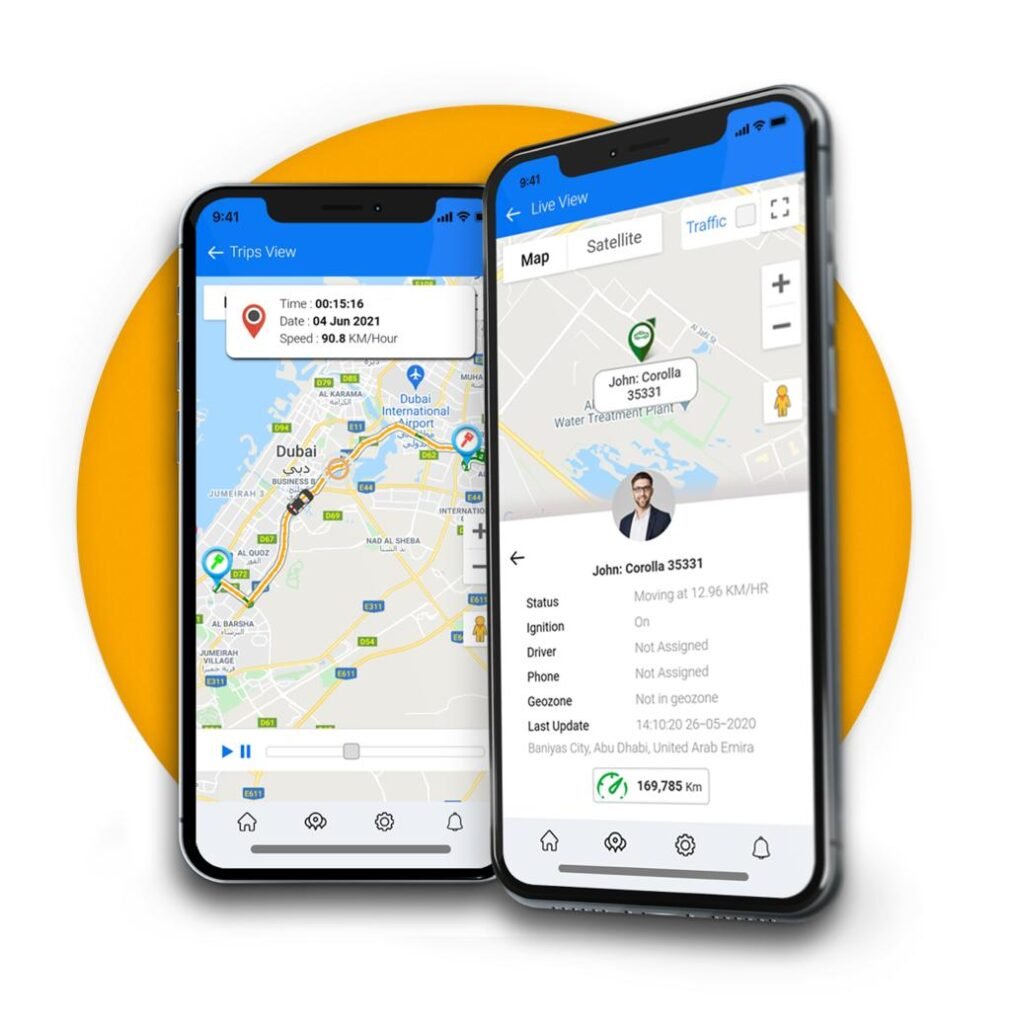
A GPS tracking platform can help a fleet operator understand how vehicles are being used and improve operational efficiency.
For commercial fleets, GPS tracking can also become part of broader fleet-management and telematics systems.
What Is AIS-140 and How Is It Related to GPS Tracking?
AIS-140 is an important term in India’s vehicle tracking industry.
AIS-140 is a standard associated with vehicle location tracking systems and related requirements for applicable vehicles and deployments.
The Ministry of Road Transport and Highways has published AIS-140 requirements covering areas such as GNSS positioning, communication with backend servers, emergency alerts and other vehicle-location functionality.
The Motor Vehicles framework has also prescribed vehicle location tracking devices and emergency buttons for specified categories of public-service vehicles, subject to the applicable rules and exemptions. The relevant notification specifies AIS-140 as the standard for the required device specifications, testing and certification.
This is important because people sometimes assume:
“Every GPS tracker in India must be AIS-140.”
That is not a safe generalization.
AIS-140 requirements apply to particular regulatory use cases and vehicle categories. A normal consumer GPS tracker for a privately owned car is not automatically the same thing as an AIS-140 compliance deployment.
Always check the requirements applicable to the particular vehicle and state.
Are All GPS Trackers in India AIS-140?
No.
There are different types of GPS tracking products for different applications.
For example:
Consumer GPS trackers
Used for:
- Cars
- Bikes
- Personal vehicles
- Assets
- Personal safety
Fleet GPS trackers
Used for:
- Transporters
- Logistics
- Commercial fleets
- Delivery vehicles
AIS-140 systems
Used for applicable regulated vehicle categories where the relevant vehicle-location tracking requirements apply.
AIS-140 also involves backend and operational requirements, not simply putting a GPS device inside a vehicle.
The official AIS-140 documentation includes requirements around registration/activation, device health, emergency alerts, location tracking and maintaining security and privacy of data.
Therefore, when buying or selling GPS devices, it is important to identify the actual application rather than assuming that every tracking device has the same regulatory requirements.
Is GPS Tracking Data Considered Personal Data?
It can be.
A GPS coordinate by itself may simply represent the location of a device or vehicle.
But if that information can be connected to an identifiable individual, such as a vehicle owner, employee, customer or driver, it can become personal data in the relevant data-protection context.
This is particularly important for GPS tracking companies because a tracking platform may store:
- Customer name
- Mobile number
- Vehicle number
- Device ID
- Location history
- Trip history
- Driver information
- Login information
- Alerts
- Account information
India’s Digital Personal Data Protection Act, 2023 establishes a framework for processing digital personal data. The Act describes consent as requiring a clear, informed and specific affirmative action when consent is the applicable basis for processing.
The government also notified the Digital Personal Data Protection Rules, 2025, with a phased commencement structure.
For GPS businesses, this means privacy should not be treated as an afterthought.
What Should a GPS Company Do With Customer Location Data?
A responsible GPS company should have clear policies around:
1. Purpose
Tell customers why location information is collected.
For example:
“Location data is collected to provide vehicle tracking, trip history, alerts and fleet-management services.”
2. Access
Only authorized users should be able to see vehicle locations.
A dealer should not automatically be able to see every customer’s information on the platform.
3. Security
GPS databases should be protected using appropriate technical and organizational security measures.
4. Retention
Companies should decide how long historical tracking information needs to be retained.
There is rarely a good reason to keep every piece of information forever without a business or legal purpose.
5. Customer rights
Where applicable, organizations should provide mechanisms required under data-protection law for users to exercise their rights.
6. Third-party sharing
Customer information should not simply be shared with unrelated companies because it may be commercially valuable.
This is especially important for GPS companies because location history can reveal sensitive patterns about a person’s movements.
Can GPS Data Be Shared With Police?
There can be circumstances where information may need to be provided to law-enforcement or government authorities in accordance with applicable law and valid requests or legal processes.
GPS companies should therefore maintain appropriate records and systems for responding to lawful requests.
At the same time, a GPS company should not casually disclose customer location history to anyone who simply asks for it.
Access should be controlled and handled according to applicable law and company procedures.
The Information Technology Act also contains provisions dealing with areas such as interception/monitoring, preservation of information and privacy-related offences.
Is GPS Tracking Legal for Stolen Vehicle Recovery?
Yes, using a GPS tracker to help locate your own vehicle can be a legitimate security application.
For example, if a vehicle equipped with a GPS tracker is stolen, the owner may be able to provide location information to the police.
However, vehicle owners should not take unnecessary risks by attempting to physically confront suspected thieves based only on a GPS location.
The safest approach is to provide relevant information to the police and follow their instructions.
GPS is a tool for locating information; it is not a substitute for law enforcement.
Is GPS Tracking Legal for Cars and Bikes?
Generally, yes.
Private vehicle owners commonly use GPS trackers for security and vehicle management.
Typical features include:
- Live location
- Ignition status
- Parking alerts
- Geofence alerts
- Overspeed alerts
- Trip history
- Battery/voltage information
- Vehicle movement alerts
- Theft-related notifications
The legal question becomes more complicated when the tracker is installed in a vehicle that belongs to another person or when the tracking is used to secretly monitor an individual.
What About GPS Trackers for Children?
GPS devices can be used for legitimate safety purposes, particularly where parents or guardians are responsible for a child’s safety.
Examples include:
- GPS watches
- Personal GPS trackers
- School transport tracking
- Emergency alert devices
However, companies selling these products should still take privacy and security seriously.
Children’s data deserves particular care.
Parents should understand:
- What information the device collects
- Who can access it
- Whether location history is stored
- How long it is retained
- Whether third parties receive the data
A GPS safety device should be designed around protection rather than surveillance.
Is GPS Tracking Legal in School Buses?
GPS tracking is widely used for school and institutional transportation.
It can help parents and administrators know:
- Where the bus is
- Whether it is moving
- Whether it has reached a particular location
- Whether it is delayed
- Whether an emergency alert has been triggered
For regulated vehicle categories, the applicable Motor Vehicles rules and state requirements should be checked.
Where AIS-140 or other regulatory requirements apply, the device and backend must meet the relevant requirements.
Can a GPS Tracker Record Audio?
Some GPS products include microphones or audio-related functionality.
This is much more sensitive than ordinary location tracking.
There is a major difference between:
Knowing where a vehicle is
and
secretly recording conversations inside a vehicle.
A company should not assume that because location tracking is legitimate, every additional surveillance feature is automatically legitimate.
If a device includes audio recording, camera surveillance or other monitoring functions, separate legal and privacy considerations may apply.
For this reason, GPS businesses should be especially careful about advertising hidden audio or covert surveillance features.
Is GPS Tracking Legal for Employees Working in the Field?
It can be, particularly where employees use company vehicles or GPS-enabled company equipment and tracking is genuinely related to work.
For example:
A service company has 20 technicians who travel to customer locations.
GPS can help the company:
- Assign jobs
- Track vehicle movement
- Estimate arrival times
- Improve route planning
- Verify service visits
- Manage emergency jobs
But companies should still have a clear policy explaining the tracking.
A simple policy can state:
“Company vehicles are equipped with GPS tracking for fleet management, safety, route planning and operational purposes.”
Transparency can prevent many unnecessary disputes.
What Makes GPS Tracking Risky?
The technology itself is usually not the biggest problem.
The way it is used is the important part.
GPS tracking becomes more legally sensitive when someone:
- Tracks another person’s vehicle secretly
- Tracks a person without proper authority
- Collects excessive information
- Shares location data without authorization
- Uses location data for an unrelated purpose
- Gives unrestricted access to customer information
- Keeps personal location history unnecessarily
- Uses tracking to harass or stalk someone
- Combines GPS tracking with covert audio/video surveillance
A responsible GPS company should therefore build privacy and security into its product from the beginning.
Five Simple Rules for Using GPS Tracking Safely
If you are a vehicle owner or business, these five rules are a good starting point.
Rule 1: Track vehicles you are authorized to track
Your own vehicle or properly authorized business vehicles are very different from secretly tracking someone else’s vehicle.
Rule 2: Be transparent
If employees or customers are being tracked, explain why tracking is being used.
Rule 3: Protect location information
Treat location history as important information.
Do not give unnecessary people access.
Rule 4: Collect only what you need
If your service only needs vehicle location, don’t collect unrelated personal information.
Rule 5: Check special regulations
Commercial vehicles, public-service vehicles, school transport, hazardous-goods transport and other regulated categories may have additional requirements.
What Should GPS Companies Include in Their Privacy Policy?
A GPS tracking company should ideally explain:
What data is collected?
For example:
- Vehicle location
- Device information
- Account information
- Mobile number
- Vehicle details
Why is it collected?
For example:
- Tracking
- Alerts
- Reports
- Customer support
- Fleet management
Who can access it?
For example:
- Customer
- Authorized dealer
- Authorized company employees
- Service providers where required
How long is it retained?
The company should establish an appropriate retention policy.
How is it protected?
The company should use suitable security controls.
This becomes increasingly important as GPS platforms grow from a few hundred vehicles to thousands or millions of connected vehicles.
GPS Tracking and Privacy: Why the Difference Matters
Imagine two situations.
Situation A
A transport company owns 100 trucks.
It installs GPS devices on its trucks and gives authorized fleet managers access to vehicle locations.
The purpose is fleet management.
Situation B
Someone secretly puts a GPS tracker inside another person’s car to monitor their movements without authorization.
The technology is exactly the same.
The legal and privacy context is completely different.
This is why the question:
“Are GPS trackers legal?”
does not have a simple yes-or-no answer.
A better question is:
“Is this particular use of GPS tracking lawful and properly authorized?”
Does India Have a Law That Simply Bans GPS Trackers?
There is no simple rule that says:
“GPS trackers are illegal.”
In fact, Indian transport regulations specifically contemplate vehicle-location tracking in certain contexts, and AIS-140 provides technical requirements for applicable vehicle-location systems.
At the same time, privacy, data protection, unauthorized access and misuse of technology can create legal problems.
So GPS tracking should be viewed as a technology with many legitimate uses, rather than something that is automatically legal or illegal in every situation.
What Should You Check Before Buying a GPS Tracker in India?
If you are buying a GPS tracker, don’t look only at price.
Check:
1. Intended use
Is it for:
- Car?
- Bike?
- Fleet?
- School bus?
- Taxi?
- Truck?
- Asset?
- EV?
2. Device quality
Check the GPS/GNSS capability, network connectivity, battery and installation requirements.
3. Software
A GPS device is only one part of the system.
You also need a reliable tracking platform.
4. Data security
Ask where the tracking information is stored and who can access it.
5. Compliance
If you are using it for a regulated commercial vehicle, check whether specific certification or AIS-140 requirements apply.
6. Support
A cheap GPS device is not useful if the server stops working and nobody helps you.
What Should Businesses Check Before Choosing a GPS Tracking Company?
Businesses should ask their GPS provider:
- Where is our data stored?
- Who can access it?
- How long is location history retained?
- Can we export our data?
- Is there an API?
- Is the device suitable for our vehicle type?
- Does the solution support required compliance?
- How is the account secured?
- What happens if the server goes down?
- What support is available?
- Can access be controlled for different employees and dealers?
These questions become particularly important for large fleets.
GPS Tracking Is Becoming More Than Just Location Tracking
Modern GPS systems are moving toward broader telematics and fleet-management platforms.
A modern tracking system may combine:
- GPS location
- Vehicle diagnostics
- CAN data
- Fuel information
- Temperature
- Driver behaviour
- Battery information
- EV data
- Maintenance information
- Fleet analytics
This makes data protection and access control even more important.
The more information a platform collects, the more carefully the business needs to manage it.
Final Answer: Is GPS Tracking Legal in India?
Yes, GPS tracking is generally legal in India when it is used for a legitimate and authorized purpose.
Using a GPS tracker on your own vehicle, managing a company fleet, tracking authorized commercial vehicles or using GPS for legitimate vehicle security are common examples.
However, GPS tracking is not a free pass to secretly monitor anyone you want.
The biggest issues arise when tracking involves:
- Another person’s vehicle
- Employees
- Personal vehicles
- Children
- Covert surveillance
- Audio/video recording
- Personal location history
- Sharing location data with third parties
For businesses, privacy and data protection should be considered from the beginning. India’s Digital Personal Data Protection framework is particularly relevant when GPS information is connected with identifiable individuals.
For regulated vehicles, additional Motor Vehicles requirements may apply, including vehicle-location tracking and AIS-140 requirements for applicable categories.
In simple words:
GPS tracking is legal. Misuse of GPS tracking can create legal problems.
If you are tracking your own vehicle or an authorized business fleet for a legitimate purpose, GPS tracking is generally a normal and lawful technology to use.
If you are planning to track another person secretly, especially outside a clear business, ownership or legal context, don’t assume that buying a GPS tracker gives you the legal right to do so.
Frequently Asked Questions
Is GPS tracking legal in India?
Yes. GPS tracking is generally legal when used for a legitimate and authorized purpose, such as tracking your own vehicle, managing a business fleet or providing an authorized tracking service.
Is it legal to install a GPS tracker in my own car?
Generally, yes. Vehicle owners commonly use GPS trackers for security, theft recovery, fleet management and vehicle monitoring.
Can I track my company vehicle?
Yes. Businesses commonly use GPS tracking for company vehicles, subject to applicable privacy, employment and data-protection considerations.
Can my employer track my company vehicle?
Generally, GPS tracking of company vehicles can have legitimate business purposes. Employers should have a clear policy explaining the purpose and scope of tracking.
Is secretly tracking another person’s car legal?
Do not assume that it is legal. Secretly installing a tracker on another person’s vehicle can raise serious privacy and legal issues depending on the circumstances.
Is AIS-140 mandatory for every GPS tracker?
No. AIS-140 requirements apply to particular regulated vehicle-location tracking use cases. A normal consumer GPS tracker is not automatically an AIS-140 device.
Does GPS tracking involve personal data?
It can. If location information can be connected to an identifiable person, data-protection requirements may become relevant.
Can GPS tracking be used for stolen vehicle recovery?
Yes, GPS tracking can be used as a vehicle-security and recovery tool. If a vehicle is stolen, location information should generally be shared with the appropriate law-enforcement authorities rather than used to confront suspects personally.
Is GPS tracking legal for school buses?
GPS tracking can be used for school transportation. Applicable Motor Vehicles and state requirements should be checked for the particular vehicle and service.
Is GPS tracking legal for commercial fleets?
Yes. Fleet tracking is a common business use of GPS technology, subject to applicable regulatory and privacy requirements.
Final Thought
GPS technology is not inherently good or bad. It depends on how it is used, who is being tracked and how the resulting information is handled.
For responsible businesses, GPS tracking can improve vehicle security, fleet efficiency, driver safety and customer service.
The best GPS tracking systems therefore do more than show a vehicle on a map. They combine reliable tracking, useful fleet features, strong security, controlled access and responsible data handling.
SPLAKDHN GPS provides GPS tracking solutions for cars, bikes, commercial vehicles, fleets and other tracking applications. Before selecting a GPS device or tracking platform, always choose a solution appropriate for your vehicle type and intended use and check any specific regulatory requirements that apply to your vehicle or business.