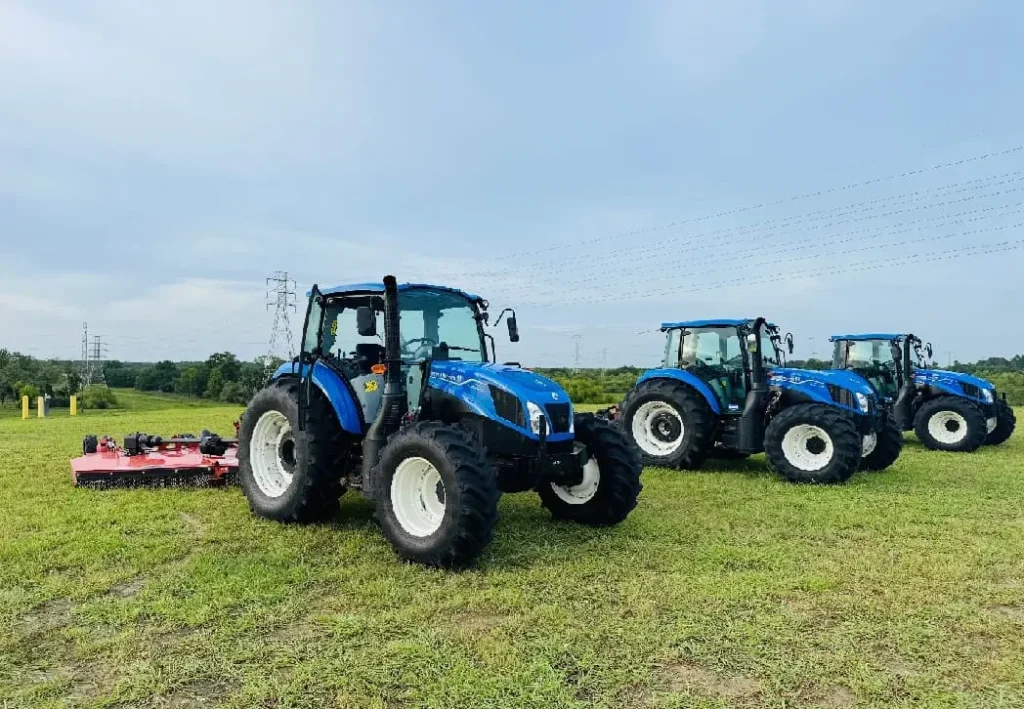
Agricultural machinery is one of the most valuable investments for farmers, contractors, equipment rental businesses, and commercial agricultural operators. A tractor, harvester, tiller, trailer, or other farm machine may represent a significant amount of capital and can be essential to completing time-sensitive agricultural work.
Unlike passenger vehicles, farm machinery often operates across large agricultural areas, remote fields, villages, highways, and temporary work locations. Equipment may also remain parked in open or less-secured areas when it is not being used.
This is where a GPS tracker for tractors and farm machinery can provide an additional layer of security and visibility.
A modern GPS tracking system can help owners monitor the location of their equipment, receive movement or geofence alerts, review travel history, and manage multiple machines from a mobile application or web dashboard. Depending on the tracker and installation, additional features such as ignition monitoring, vehicle activity alerts, and compatible immobilization functions may also be available.
For seasonal machinery and assets where wiring is inconvenient, a wireless GPS tracker can provide another practical option.
This guide explains how GPS tracking can be used for tractors, harvesters, trailers, agricultural equipment, and rental fleets, along with the key differences between wired and wireless GPS trackers.
Why GPS Tracking Matters for Farm Machinery
Agricultural equipment faces a different security challenge
Farm machinery does not always have the same security environment as a car parked inside a residential society or a commercial vehicle kept inside a secured depot.
A tractor may spend the day working several kilometres away from the owner’s home and remain near the field overnight. A harvester may be moved between different farms during harvesting season. Rental equipment may be handed over to different operators and transported between villages or districts.
Because of this, knowing where the machine is and when it is moving can be extremely useful.
A GPS tracker does not replace locks, secure storage, insurance, or appropriate security procedures. Instead, it adds another layer of visibility that can help owners identify unexpected movement and monitor valuable equipment remotely.
Remote and open working locations
Agricultural machinery is often used in locations where conventional security infrastructure is limited.
Equipment may be parked:
- Near agricultural fields
- At temporary work sites
- Beside farm roads
- In equipment yards
- Near warehouses
- At rental locations
- At locations away from the owner’s residence
A GPS tracking system allows the owner or authorized manager to check the equipment’s location without physically travelling to the machine.
Unauthorized movement can be detected
One of the most useful features of a GPS tracker is movement monitoring.
For example, if a tractor is expected to remain parked overnight and it suddenly starts moving, the owner can receive an alert and check the machine’s location.
Depending on the tracking platform, alerts can include:
- Unexpected movement
- Geofence exit
- Geofence entry
- Ignition ON
- Ignition OFF
- Excessive speed
- Low device battery
- Power interruption
- Tamper or movement detection
The exact features depend on the GPS tracker model and software platform.
Seasonal machinery needs a different approach
Not every agricultural asset is used every day.
Harvesters, trailers, agricultural attachments, and other equipment may remain idle for weeks or months between operating periods.
For these assets, a wireless GPS tracker can be useful because it does not require permanent vehicle wiring. A rechargeable internal battery allows the tracker to operate independently of the machinery’s main electrical system.
This makes wireless tracking particularly interesting for equipment where flexible installation is more important than continuous vehicle-powered operation.
Important Features of a GPS Tracker for Agricultural Equipment
1. Live GPS location tracking
The basic purpose of a GPS tracker is to provide location information.
A suitable tracking platform can allow the owner to view the current or recent location of the tractor, harvester, or other tracked asset through a mobile application or web dashboard.
Depending on the system, users may be able to view:
- Current location
- Previous locations
- Travel routes
- Movement status
- Speed
- Parking locations
- Location history
For an owner managing several machines, having all vehicles and assets visible through one platform can make fleet monitoring considerably easier.
2. Geofencing
A geofence is a virtual geographical boundary created around a particular location.
For agricultural equipment, a geofence can be created around:
- A farm
- Equipment yard
- Warehouse
- Village area
- Work site
- Rental location
- Storage facility
If a tracked machine leaves or enters the defined area, the tracking platform can generate an alert according to its configuration.
For example, a tractor could have a geofence around its normal storage location. If it moves outside that area at an unusual time, the owner can immediately check its location.
Geofencing is not only useful for security. It can also help businesses understand when equipment arrives at or leaves a particular work location.
3. Ignition monitoring
For compatible wired GPS trackers, ignition monitoring can provide additional information about vehicle operation.
The system may be able to show when the ignition was switched ON or OFF.
This can help an owner understand:
- When the tractor started operating
- When it stopped
- Whether it was operated outside expected hours
- How frequently the machine is being used
For commercial operators and equipment rental businesses, this information can also support better operational monitoring.
4. Engine immobilization on compatible installations
Some wired GPS tracking systems can support an engine immobilization or cut-off function.
However, this feature should not be treated as a universal feature of every GPS tracker.
It depends on:
- Tracker hardware
- Vehicle electrical system
- Installation method
- Software support
- Safety requirements
Where supported, immobilization should be professionally installed and configured so that the vehicle cannot be placed in an unsafe situation while moving.
For many farm owners, the most important function is still receiving an alert and seeing the machine’s location quickly.
5. Internal battery for wireless trackers
Wireless trackers operate using an internal rechargeable battery.
This makes them different from conventional wired trackers that continuously draw power from the vehicle’s electrical system.
Wireless trackers can be considered for:
- Harvesters
- Trailers
- Agricultural attachments
- Seasonal equipment
- Rental assets
- Machinery where wiring is inconvenient
Battery performance varies depending on the device, battery capacity, reporting frequency, GPS usage, network availability, temperature, and movement.
For this reason, it is better to select a tracker based on its actual specifications rather than assuming that every wireless tracker will provide the same battery duration.
6. Movement and tamper detection
Some wireless asset trackers use motion or vibration sensors to detect movement.
This can be particularly useful for equipment that normally remains stationary.
For example:
Machine parked → unexpected movement detected → tracker activates/reporting begins → owner receives an alert → location is checked.
This provides an additional layer of awareness when an asset moves unexpectedly.
7. Suitable protection for demanding environments
Agricultural equipment can operate in dusty, wet, muddy, and highly vibrational environments.
A tracker intended for such applications should be selected according to the actual installation environment.
For exposed installations, buyers should pay attention to specifications such as water and dust protection, operating temperature, mounting method, and overall construction.
The tracker should also be positioned according to the manufacturer’s installation guidelines.
Wired GPS Tracker vs Wireless GPS Tracker
The choice between wired and wireless tracking should depend on the machine, its electrical system, operating pattern, and the features required.
Wired GPS tracker
A wired tracker is connected to the vehicle’s electrical system.
It can be suitable for machines that:
- Operate regularly
- Have a suitable 12V/24V electrical system
- Require continuous tracking
- Need ignition monitoring
- May require compatible immobilization functionality
- Have a permanent installation requirement
A wired tracker can be a practical choice for regularly operated tractors and commercial agricultural vehicles.
Wireless GPS tracker
A wireless tracker contains its own rechargeable battery and does not require permanent vehicle wiring.
It can be useful for:
- Seasonal machinery
- Harvesters
- Trailers
- Agricultural attachments
- Rental assets
- Equipment where wiring is difficult
- Assets requiring flexible installation
One major advantage is installation flexibility.
However, wireless trackers require battery management and their operating duration depends on the device and configuration.
Comparison
| Feature | Wired GPS Tracker | Wireless GPS Tracker |
|---|---|---|
| Power source | Vehicle electrical system | Internal rechargeable battery |
| Vehicle wiring | Required | Not required |
| Installation | Professional installation generally recommended | Flexible installation |
| Ignition monitoring | Available on compatible installations | Generally not the primary function |
| Engine immobilization | Available on compatible systems | Generally not available |
| Seasonal equipment | Possible | Particularly suitable |
| Trailers/assets | Depends on power availability | Suitable |
| Battery management | Vehicle provides primary power | Battery needs periodic charging |
| Best suited for | Regularly operated vehicles | Flexible asset tracking |
Neither option is universally suitable for every machine. The right choice depends on how the equipment is used and what the owner needs to monitor.
How to Build a Simple GPS Security System for Farm Equipment
Installing a GPS tracker is only one part of an effective equipment-monitoring process.
Step 1: Identify the equipment
First, make a list of the machinery that needs tracking.
For example:
- 3 tractors
- 1 harvester
- 2 trailers
- 1 agricultural loader
Then identify which machines are used daily and which are seasonal.
Daily-use tractors may be candidates for wired tracking, while seasonal or movable equipment may benefit from wireless tracking.
Step 2: Select the appropriate tracker
Choose the tracker based on:
- Power availability
- Installation requirements
- Desired battery operation
- Ignition monitoring requirements
- Geofencing requirements
- Movement alerts
- Fleet size
- Operating environment
Avoid choosing a tracker only on the basis of price. The installation environment and actual use case are equally important.
Step 3: Install or position the device correctly
A wired tracker should be professionally installed where appropriate.
The installation should be secure and should follow the manufacturer’s electrical and safety requirements.
A wireless tracker should be placed securely in a suitable location where it can operate effectively and where the device is protected from unnecessary exposure to heat, water, physical damage, or other environmental conditions.
Step 4: Configure geofences
Create geographical boundaries around important locations.
For example:
Farm → Equipment yard → Work site → Rental location
Configure alerts according to the machine’s normal schedule.
A geofence that is too restrictive may generate unnecessary alerts, while one that is too broad may not provide useful information.
Step 5: Configure useful alerts
Do not enable every possible alert without considering your actual requirements.
For a tractor, useful alerts may include:
- Ignition ON
- Ignition OFF
- Geofence exit
- Unexpected movement
- Overspeed
- Power interruption
For a wireless seasonal asset, movement and battery alerts may be more important.
Step 6: Establish an emergency response process
If an unexpected movement alert is received:
- Open the tracking application.
- Check the machine’s current location.
- Review recent movement history.
- Contact the operator or responsible person.
- Confirm whether the movement is authorized.
- If unauthorized movement is confirmed, take appropriate action and contact local authorities where necessary.
The GPS system provides information; the owner or authorized operator decides what action to take.
GPS Tracking for Agricultural Businesses and Rental Fleets
GPS tracking is not limited to theft monitoring.
Equipment rental businesses
Agricultural machinery rental businesses can use GPS tracking to maintain better visibility over equipment that is operating at customer locations.
A tracker can help show:
- Current equipment location
- Travel history
- Movement activity
- Location changes
- Operating patterns
This can make fleet management easier when equipment is distributed across multiple locations.
Commercial farming operations
Large farms may operate multiple tractors, harvesters, transport vehicles, and agricultural machines.
A centralized tracking dashboard can provide a common view of the fleet.
Instead of relying entirely on phone calls between operators and managers, the business can use location information to understand where equipment is currently operating.
Equipment utilization
Location history can help operators understand how machines are being used.
For example, a business may discover that one tractor is being used heavily while another remains underutilized.
This information can support better planning of equipment deployment.
Maintenance planning
For compatible tracking systems, operating information can contribute to maintenance planning.
Managers can use available vehicle activity or engine-hour information to help schedule:
- Oil changes
- Routine inspections
- Filter replacement
- Mechanical servicing
- Preventive maintenance
Maintenance requirements should always be based on the manufacturer’s recommended service schedule and the actual machine condition.
GPS Tracking for Tractors, Harvesters, Trailers and Farm Assets
Tractors
Tractors that operate regularly can be suitable candidates for wired GPS tracking.
A wired tracker can provide continuous vehicle-powered tracking and, depending on the system, features such as ignition monitoring.
Harvesters
Harvesters can be tracked using wired or wireless solutions depending on their electrical system and operating pattern.
For seasonal machines, wireless tracking can offer greater installation flexibility.
Trailers
Trailers can present a different tracking challenge because they may not have a continuously powered electrical system.
A wireless asset tracker can be considered where an independent battery-powered solution is required.
Agricultural attachments
Valuable agricultural equipment and attachments may also benefit from asset tracking when they are stored separately from the primary tractor.
The appropriate tracker depends on the size, construction, location, and movement pattern of the asset.
Rental machinery
Rental operators can use GPS tracking to maintain visibility over machinery that moves between different customers and locations.
This can help reduce uncertainty about where equipment is located between rental periods.
SPLAKDHN GPS Solutions for Agricultural Equipment
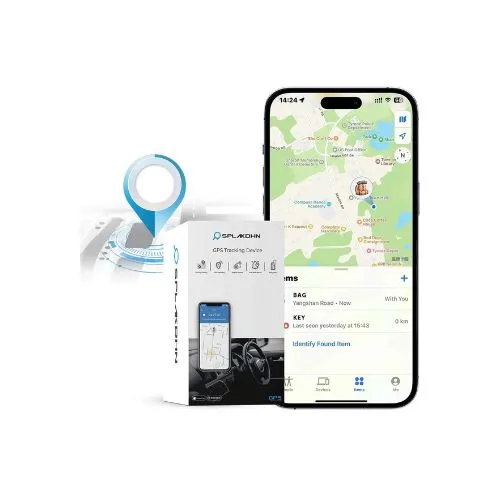
SPLAKDHN GPS provides GPS tracking solutions for vehicles and movable assets, including wired and wireless tracking options.
For agricultural applications, the appropriate solution depends on the type of machine and the features required.
SPLAKDHN Wired GPS Tracker
A wired GPS tracker can be considered for regularly operated tractors, commercial vehicles, and compatible agricultural machinery.
Depending on the hardware and installation, features can include live tracking, ignition monitoring, geofencing, alerts, and other fleet-management functions.
SPLAKDHN Wireless GPS Tracker
A wireless GPS tracker provides a flexible alternative for assets where permanent wiring is inconvenient.
It can be considered for:
- Harvesters
- Trailers
- Seasonal agricultural machinery
- Rental equipment
- Movable assets
The rechargeable internal battery allows the tracker to operate independently of the vehicle’s main power supply.
SPLAKDHN tracking solutions can be accessed through compatible mobile and web platforms, allowing owners and fleet managers to monitor their tracked assets remotely.
For customers across India, the appropriate product and installation arrangement can depend on the equipment type, location, and specific tracking requirements.
Frequently Asked Questions
Can a GPS tracker be installed on a tractor?
Yes. A suitable GPS tracker can be installed on compatible tractors. Wired trackers are generally suitable when permanent vehicle power and features such as ignition monitoring are required. Wireless trackers can be considered where flexible installation is preferred.
Which GPS tracker is suitable for a harvester?
The choice depends on the harvester’s electrical system, operating pattern, installation requirements, and desired features. Both wired and wireless options may be suitable depending on the application.
Can GPS tracking help locate stolen farm equipment?
GPS tracking can provide location and movement information that may assist with identifying the location of an asset. However, no GPS tracker can guarantee theft prevention or recovery. Physical security, insurance, and appropriate law-enforcement procedures remain important.
Does a wireless GPS tracker need vehicle wiring?
No. A wireless GPS tracker operates using its internal rechargeable battery. It therefore does not require permanent connection to the vehicle’s electrical system.
How long does a wireless GPS tracker battery last?
Battery life varies significantly between models and depends on battery capacity, reporting frequency, movement, network conditions, temperature, and other factors. Always check the specifications of the particular tracker.
Can I track multiple tractors from one application?
Yes, if the GPS platform supports multi-device or fleet management. Multiple trackers can typically be associated with one account so that the owner or fleet manager can monitor the equipment from a central dashboard.
Can GPS trackers be used for tractor rental businesses?
Yes. GPS tracking can help rental businesses monitor equipment locations, movement history, and fleet activity. The exact information available depends on the selected GPS tracker and software platform.
Is a wired or wireless GPS tracker better for farm equipment?
It depends on the application. A wired tracker may be suitable for regularly operated tractors where continuous vehicle power and ignition-related features are important. A wireless tracker may be more convenient for seasonal machinery, trailers, and assets where permanent wiring is difficult.
Final Thoughts
Agricultural machinery is valuable, mobile, and often used in environments where conventional security can be difficult.
A GPS tracker for tractors, harvesters, and farm machinery can provide an additional layer of visibility by allowing owners to monitor location, movement, geofences, and other available vehicle or asset information remotely.
For regularly operated tractors and agricultural vehicles, a wired GPS tracker can provide continuous vehicle-powered tracking and, where supported, additional functions such as ignition monitoring.
For seasonal machinery, trailers, and movable assets, a wireless GPS tracker can provide greater installation flexibility without permanent vehicle wiring.
The best solution depends on the type of machinery, electrical system, operating environment, tracking requirements, and frequency of use.
If you operate tractors, harvesters, trailers, rental machinery, or other agricultural equipment and want to improve visibility over your assets, SPLAKDHN GPS can help you select a suitable wired or wireless GPS tracking solution based on your specific requirements.